Introduction
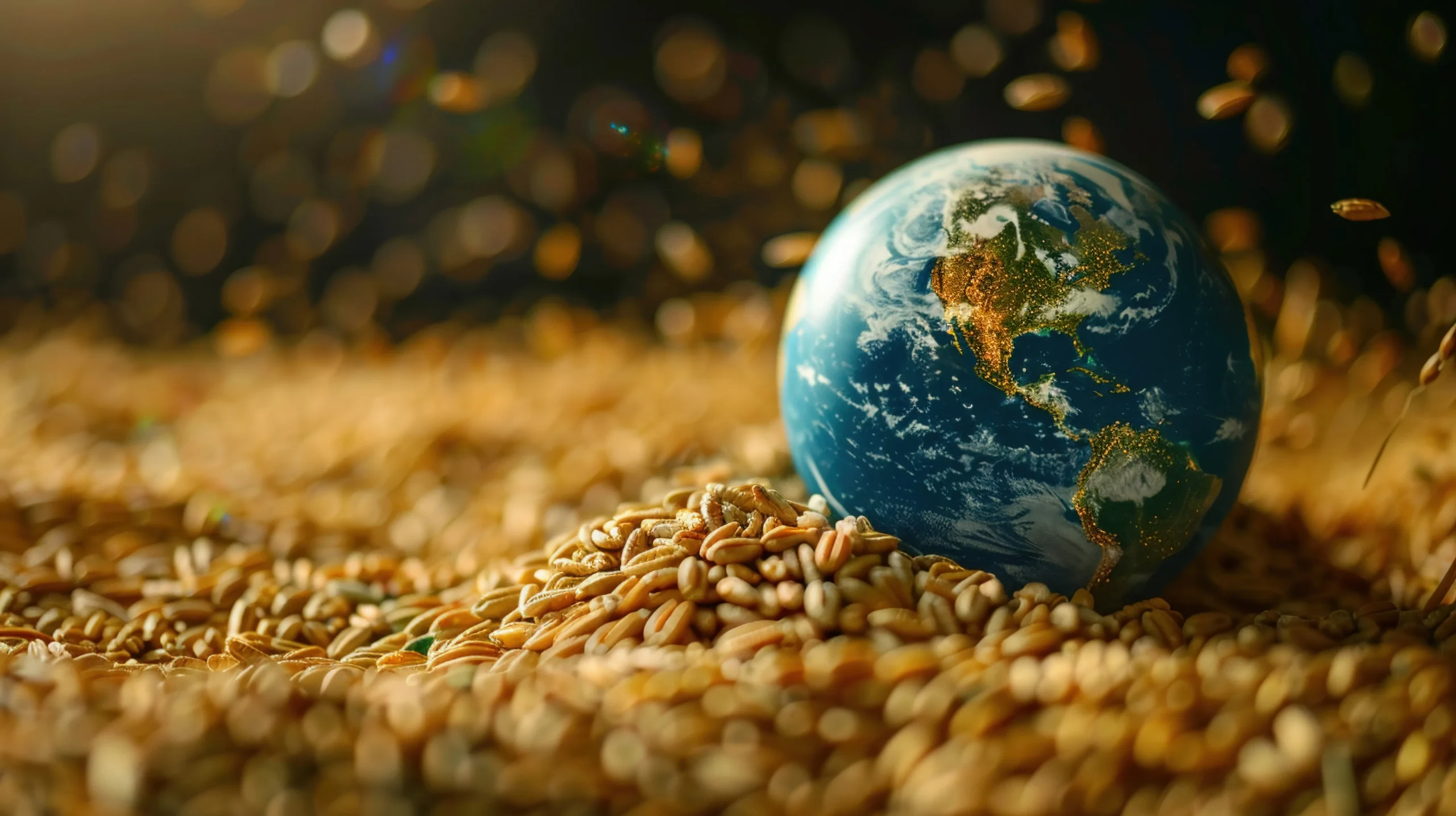
Grain is one of the most essential commodities in the global economy, forming the foundation of food systems across the world. From wheat used in bread and pasta to barley used in animal feed and beverages, grains are deeply embedded in everyday life. Yet, behind every loaf of bread or packaged food product lies a complex and highly coordinated global grain trade system.
This system connects farmers in rural regions to buyers in cities and countries thousands of miles away. Without it, food distribution would be inconsistent, inefficient, and unreliable. The global grain trade plays a crucial role in ensuring food security, stabilizing markets, and supporting economic growth worldwide.
Understanding the Grain Supply Chain
The grain supply chain begins at the farm, where crops are cultivated, monitored, and eventually harvested. Farmers rely on weather conditions, soil health, and modern agricultural techniques to produce high-quality yields. Once harvested, grains are cleaned, sorted, and stored in silos or warehouses to maintain their condition.
From there, grain exporters step in to manage the next phase. They source grains from multiple suppliers, consolidate volumes, and prepare them for international markets. Exporters act as intermediaries, ensuring that supply meets demand across different regions. Their role is critical in maintaining consistency, especially when dealing with large-scale global buyers.
The Importance of Quality Control
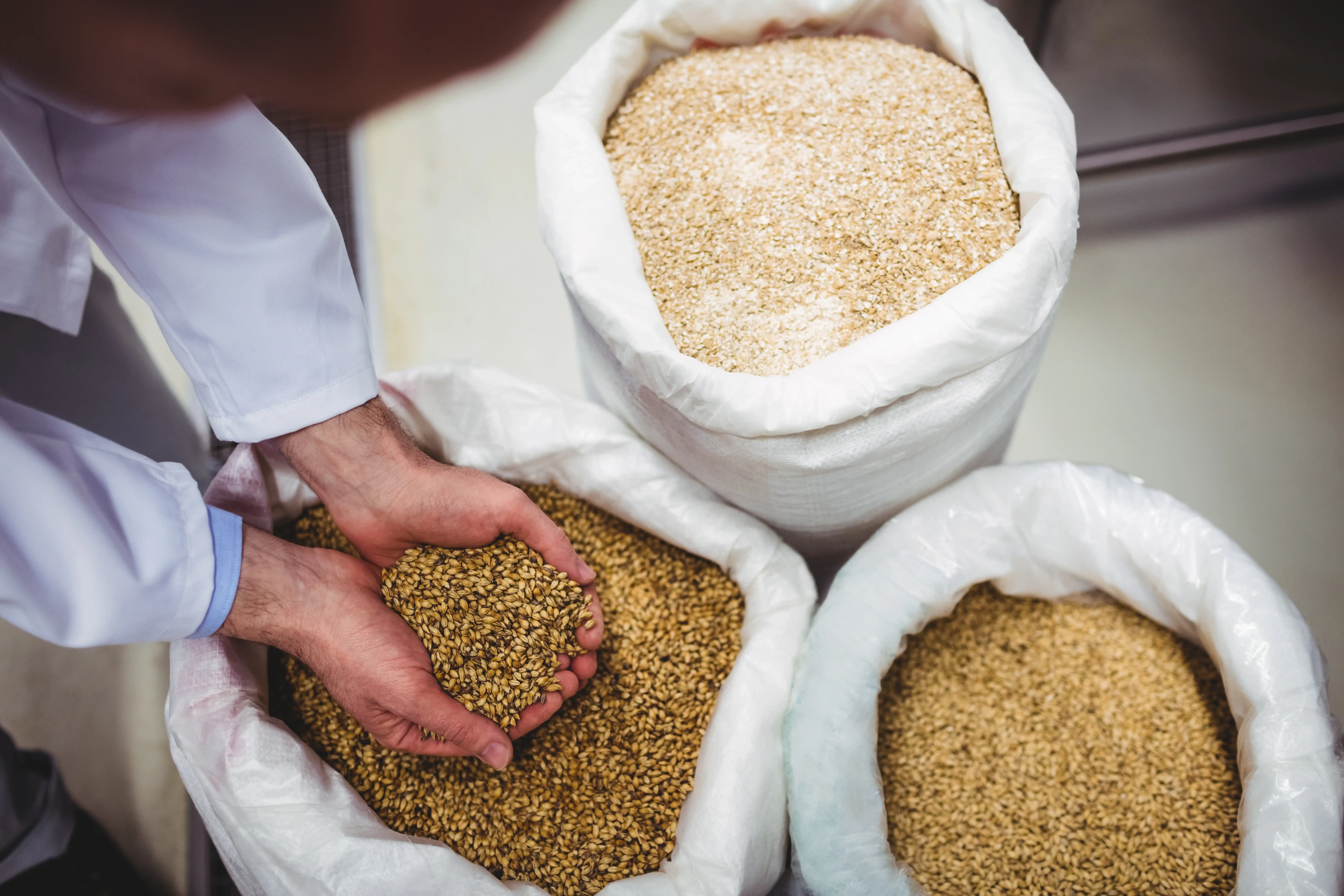
Quality control is one of the most important aspects of the grain trade. Buyers expect products that meet strict international standards, particularly when grains are used for food production. Even minor issues such as excess moisture or contamination can affect usability and safety.
To maintain high standards, exporters conduct rigorous testing procedures. These include checking moisture levels, grain size, purity, and the presence of foreign materials. Laboratories and inspection teams ensure that each shipment meets the required specifications before it is approved for export.
Consistent quality not only satisfies buyers but also strengthens a company’s reputation in the market. Over time, this reliability becomes a key competitive advantage.
Logistics and Transportation
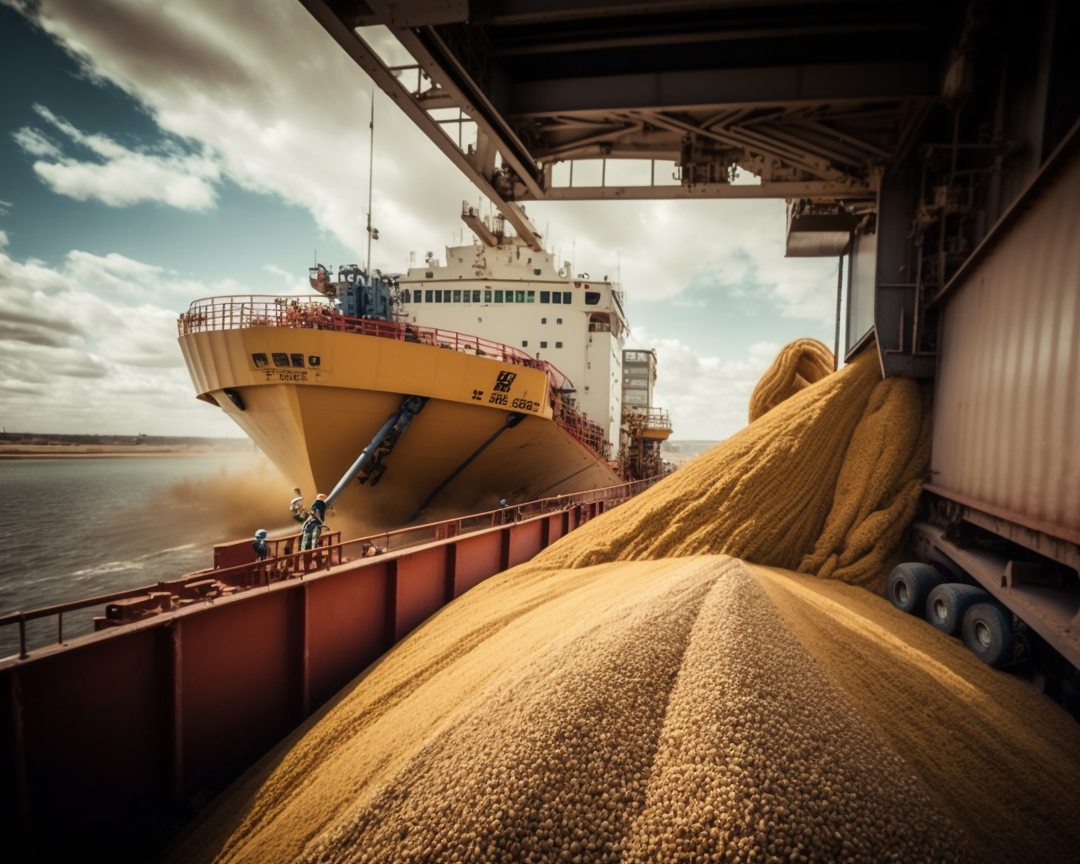
Transporting grain from one country to another is a complex operation that requires precise coordination. The process involves multiple stages, including inland transportation, port handling, shipping, and final delivery.
Grains are typically transported using trucks, railways, and cargo ships. Each stage must be carefully managed to prevent delays and maintain product quality. For example, improper handling during transit can lead to spoilage or contamination.
Modern grain trading companies use advanced logistics systems to track shipments in real time. These systems improve transparency, reduce risks, and ensure that deliveries are made on schedule. Efficient logistics not only saves time but also reduces costs and enhances overall reliability.
Challenges in the Grain Trade
Despite its importance, the global grain trade faces several challenges. One of the biggest factors is weather. Droughts, floods, and extreme temperatures can significantly impact crop production, leading to supply shortages or price fluctuations.
Geopolitical issues also play a role. Trade restrictions, tariffs, and political instability can disrupt supply chains and affect global markets. Additionally, fluctuating demand requires companies to remain flexible and responsive.
To navigate these challenges, successful grain traders rely on strong networks, market insights, and risk management strategies. Diversifying sourcing regions and maintaining good relationships with suppliers and buyers are key to overcoming uncertainties.
The Role of Technology in Modern Grain Trade
Technology is transforming the grain industry in many ways. Farmers are using satellite imaging, drones, and sensors to monitor crop health and improve yields. These tools provide valuable data that helps in making informed decisions.
On the trading side, digital platforms are improving supply chain management. Companies can now track shipments, manage inventory, and communicate with partners more efficiently. Data analytics also plays a significant role in predicting demand and optimizing pricing strategies.
Emerging technologies such as blockchain are further enhancing transparency by providing traceability throughout the supply chain. This ensures that buyers know exactly where their grain comes from and how it has been handled.
Economic and Social Impact
The global grain trade has a significant impact on both economies and communities. It provides income for farmers, creates jobs in logistics and transportation, and supports industries such as food processing and manufacturing.
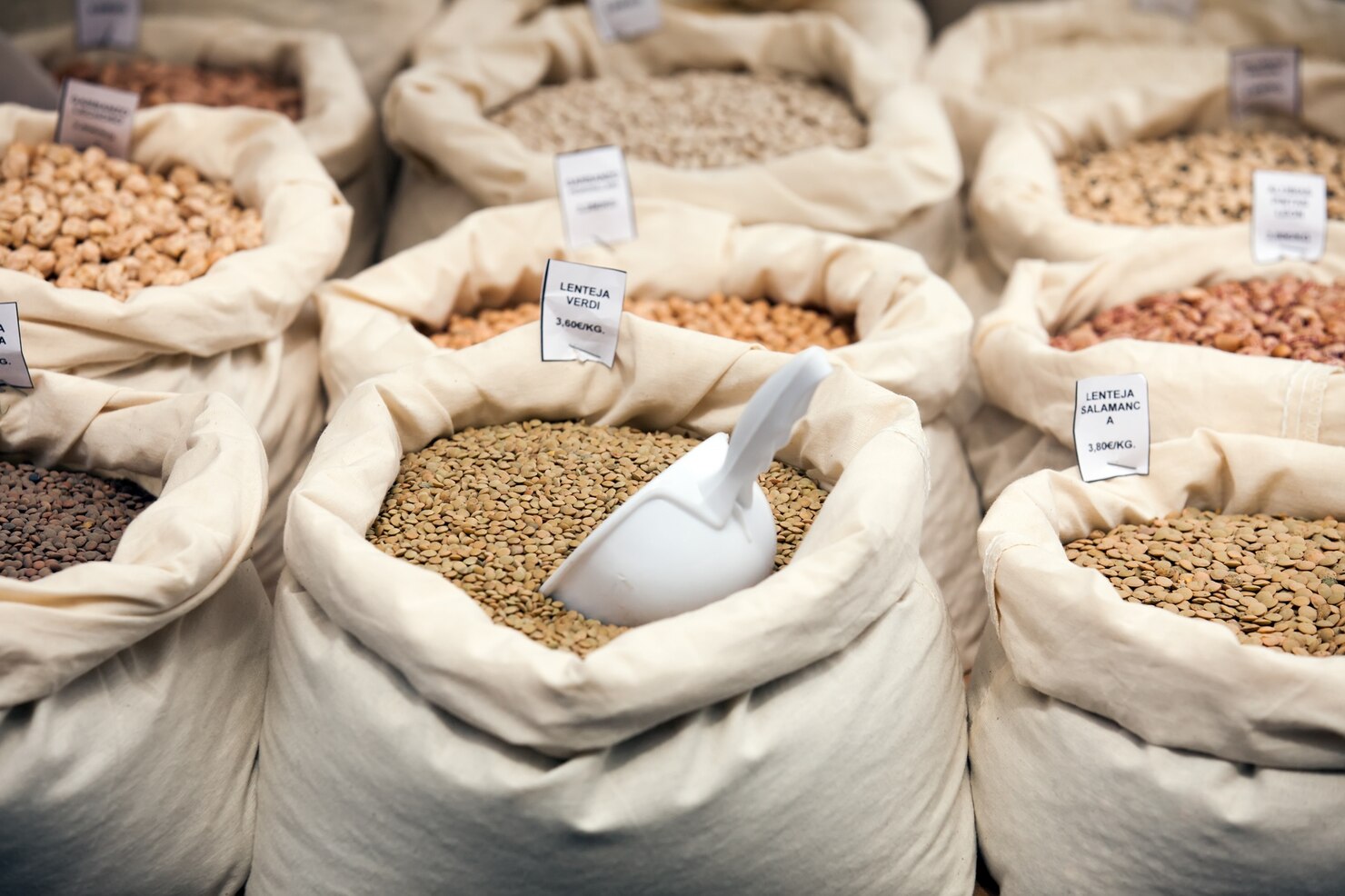
In developing regions, access to international markets can improve livelihoods and promote economic growth. At the same time, reliable grain supply helps stabilize food prices and ensures availability in regions that depend on imports.
Conclusion
The global grain trade is a vital system that connects producers and consumers across the world. It ensures that food reaches markets efficiently while maintaining quality and consistency. From farming and quality control to logistics and technology, every step in the process plays an important role.
As the world continues to grow and demand for food increases, the importance of a strong and reliable grain trade system will only become greater. Companies that focus on quality, innovation, and strong partnerships will be best positioned to lead the industry into the future.