Introduction
In the global grain trade, quality is not just an added advantage—it is the foundation of success. Whether grain is used for food production, animal feed, or industrial purposes, its quality directly affects performance, safety, and value. For exporters, maintaining high-quality standards is essential to meet international expectations and build long-term relationships with buyers.
As global markets become more competitive, buyers are increasingly selective about where they source their grain. This makes quality a defining factor that separates reliable exporters from the rest.
What Defines Grain Quality?
Grain quality is determined by a combination of physical and chemical characteristics. These include size, color, moisture content, purity, and the absence of contaminants such as stones, dust, or pests. Each type of grain has its own grading system, which helps buyers understand its suitability for specific uses.
For example, wheat used for baking must meet certain protein and gluten standards, while barley used for malting requires uniform size and germination capability. Even small variations can affect the final product, making consistency extremely important.
The Role of Quality in Market Value
High-quality grain typically commands better prices in international markets. Buyers are willing to pay a premium for products that meet strict specifications and deliver consistent results. On the other hand, lower-quality grain may face price reductions or even rejection.
For exporters, maintaining quality is not just about meeting standards—it is also about maximizing profitability. Consistent quality helps secure repeat business and long-term contracts, which are essential for sustainable growth.
Quality Control Processes
To ensure high standards, grain exporters implement comprehensive quality control systems. These processes begin at the sourcing stage, where suppliers are carefully selected based on their farming practices and track record.
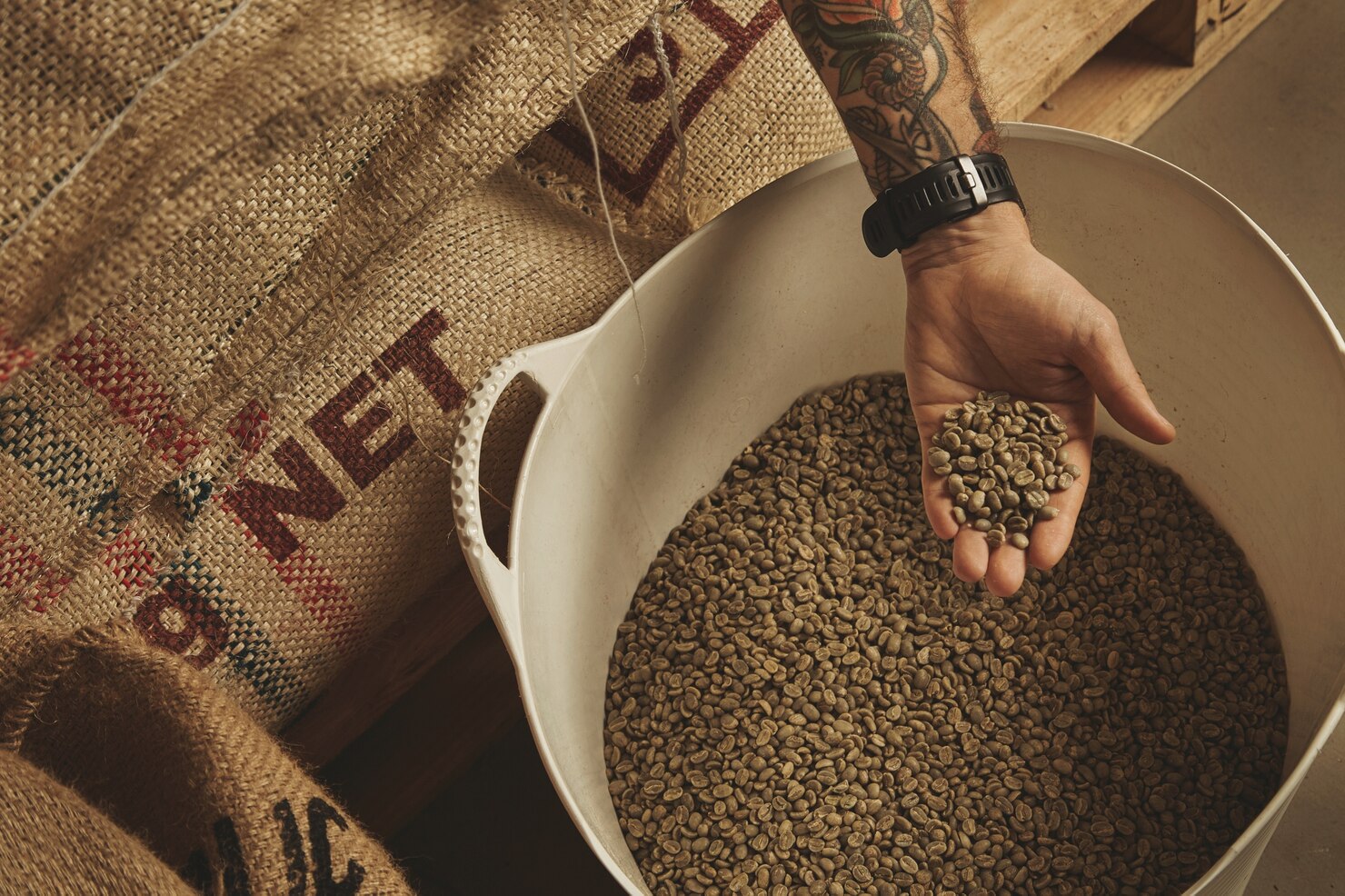
Once the grain is received, it undergoes multiple inspections and tests. Laboratory analysis is used to measure moisture levels, protein content, and other critical parameters. Visual inspections help identify impurities and ensure proper grading.
In addition to testing, proper storage and handling are crucial. Grain must be stored in controlled environments to prevent spoilage and maintain its quality over time. Regular monitoring ensures that conditions remain optimal.
Meeting International Standards
Exporters must comply with international quality standards and regulations. Different countries have specific requirements regarding food safety, labeling, and certification. Meeting these standards is essential for accessing global markets.
Certification bodies and inspection agencies often verify the quality of shipments before export. This adds an extra layer of assurance for buyers and helps build trust in the supplier’s reliability.
Benefits for Buyers
For buyers, high-quality grain means consistency and reliability. It ensures smooth production processes, reduces waste, and minimizes risks. In industries such as food processing, maintaining quality is critical for meeting consumer expectations and regulatory requirements.
Reliable suppliers who consistently deliver high-quality grain become preferred partners, leading to long-term business relationships.
Building a Reputation Through Quality
In the grain trade, reputation is everything. Exporters who prioritize quality build a strong brand image and gain a competitive edge in the market. Word-of-mouth recommendations and repeat business play a significant role in growth.
Over time, a commitment to quality creates trust, which is one of the most valuable assets in international trade.
Conclusion
Quality is the cornerstone of successful grain export. It influences pricing, customer satisfaction, and long-term partnerships. By investing in quality control processes and maintaining high standards, exporters can strengthen their market position and achieve sustainable growth in the global grain industry.