Introduction
Logistics is a critical component of the grain trading industry. While production and quality are important, it is logistics that ensures grain reaches its destination safely and on time. Without efficient logistics, even the best-quality grain cannot meet market demands.
From transportation and storage to coordination and delivery, logistics plays a key role in every stage of the supply chain.
The Journey from Farm to Market
The logistics process begins immediately after harvest. Grain is transported from farms to storage facilities, where it is cleaned and preserved. From there, it is moved to processing centers or export terminals.
Each step requires careful planning to ensure efficiency and minimize losses. Delays or mishandling at any stage can impact quality and increase costs.
Storage and Preservation
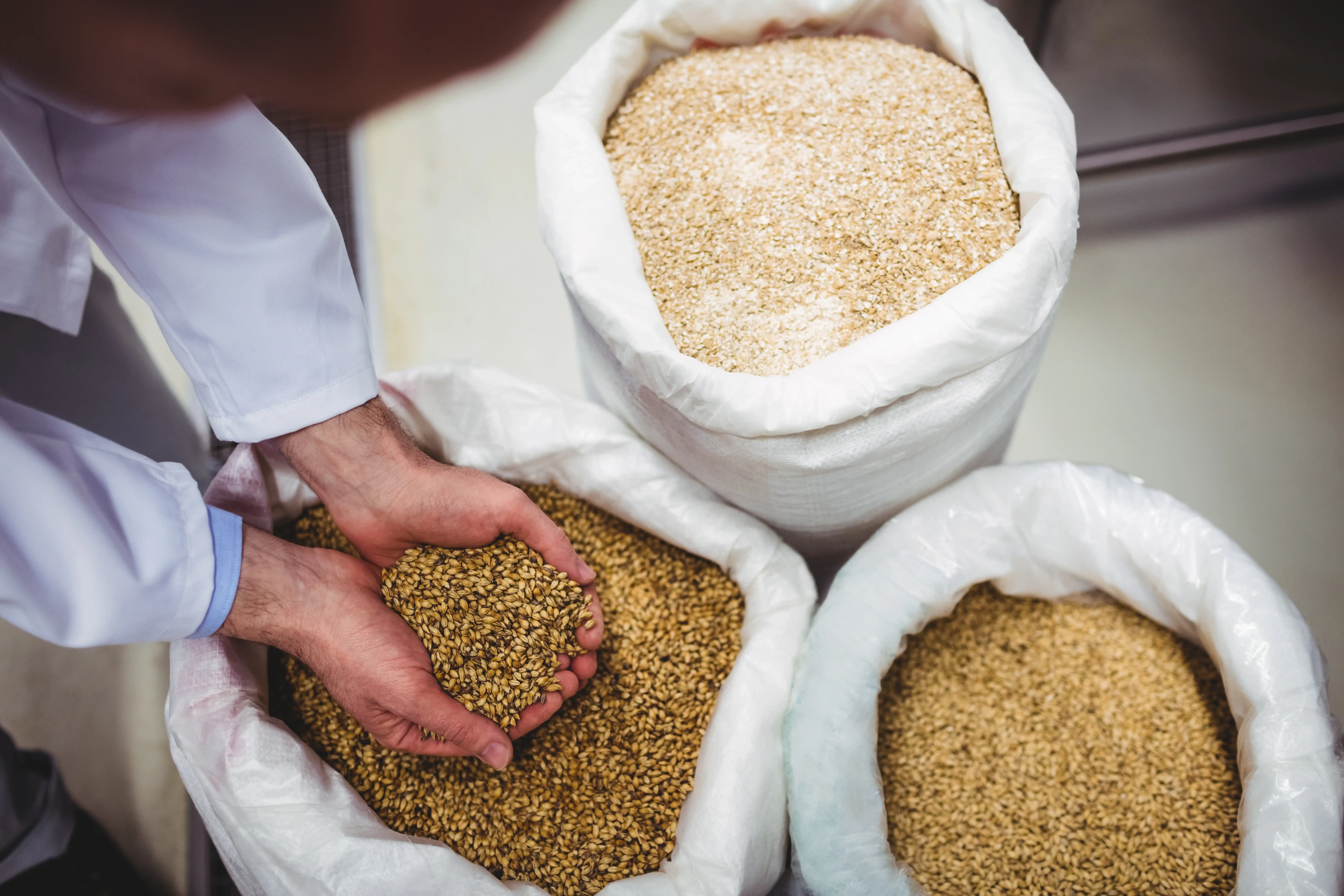
Proper storage is essential for maintaining grain quality. Storage facilities must be equipped to control temperature, humidity, and pests. Poor storage conditions can lead to spoilage, mold growth, and contamination.
Modern storage systems use advanced technology to monitor conditions and ensure that grain remains in optimal condition until it is ready for shipment.
Transportation Challenges
Transporting grain involves multiple modes, including trucks, railways, and ships. Each mode has its own advantages and challenges. For example, road transport offers flexibility, while rail and sea transport are more cost-effective for large volumes.
However, transportation is often affected by factors such as weather, infrastructure limitations, and regulatory requirements. Efficient coordination is necessary to overcome these challenges and ensure timely delivery.
The Importance of Coordination
Logistics requires seamless coordination between different stakeholders, including farmers, storage operators, transport providers, and exporters. Clear communication and planning are essential to avoid delays and disruptions.
Advanced logistics systems help companies manage schedules, track shipments, and optimize routes. This improves efficiency and reduces operational risks.
Technology in Logistics
Technology is transforming logistics in the grain industry. GPS tracking allows companies to monitor shipments in real time, while data analytics helps optimize routes and reduce costs.
Automation is also playing a role in improving efficiency. Automated systems reduce human error and ensure consistent handling of grain throughout the supply chain.
Cost Efficiency and Profitability
Efficient logistics not only ensures timely delivery but also reduces costs. By optimizing transportation and storage, companies can improve profitability and remain competitive in the market.
Investing in strong logistics infrastructure is essential for long-term success in the grain trade.
Conclusion
Logistics is the backbone of grain trading. It ensures that products move efficiently from farms to global markets while maintaining quality and minimizing costs. Companies that prioritize logistics and invest in modern systems are better equipped to meet the demands of the global grain industry.