Introduction
Sustainability is becoming a key focus in the global grain industry. As demand for food continues to rise, there is increasing pressure to produce and distribute grain in ways that protect the environment and ensure long-term availability.
Sustainable practices are no longer optional—they are essential for the future of the industry.
The Importance of Sustainability
Sustainability in grain trading involves balancing economic growth with environmental responsibility. It ensures that natural resources such as soil and water are preserved for future generations.
Consumers and businesses are increasingly choosing suppliers who follow sustainable practices, making it an important factor in market competitiveness.
Sustainable Farming Practices
Farmers play a crucial role in sustainability. Techniques such as crop rotation, reduced use of chemicals, and efficient water management help maintain soil health and improve yields.
These practices not only benefit the environment but also enhance the quality of the grain produced.
The Role of Grain Traders
Grain trading companies can promote sustainability by sourcing from responsible suppliers and encouraging best practices. They also ensure compliance with environmental regulations and support initiatives that reduce environmental impact.
By working closely with farmers and suppliers, traders can create a more sustainable supply chain.
Reducing Waste and Losses
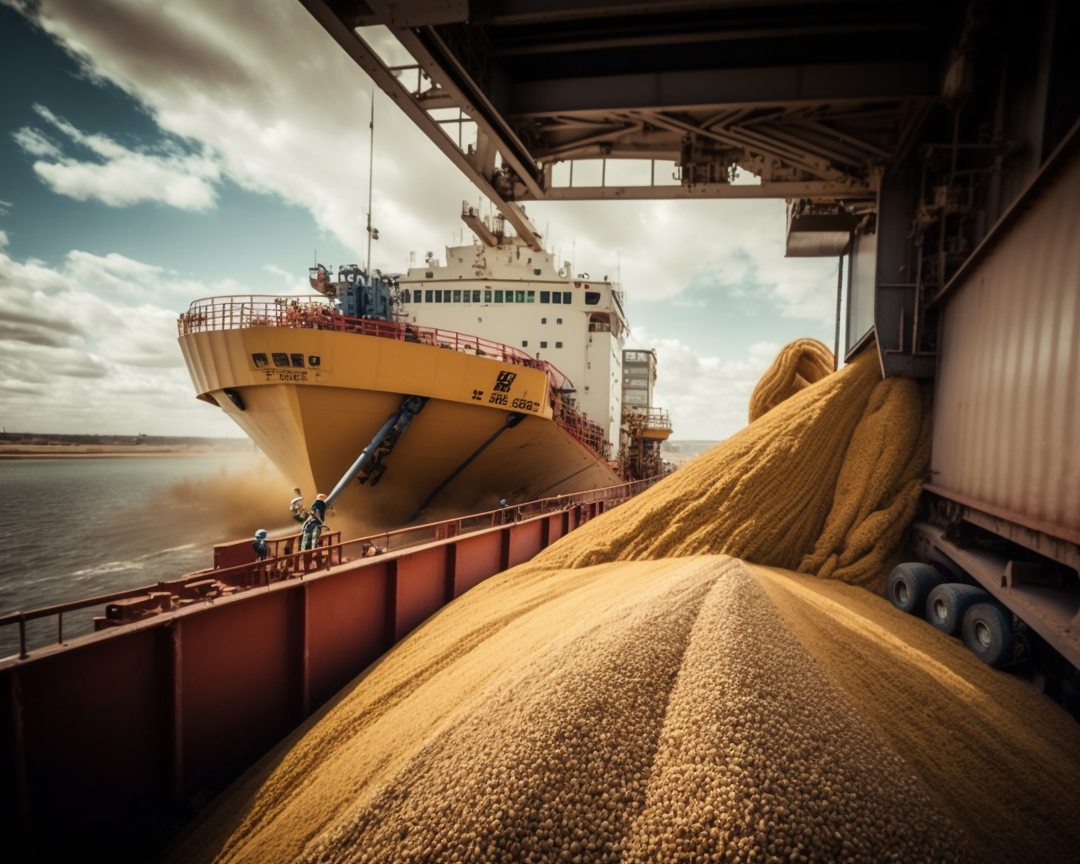
One of the key aspects of sustainability is minimizing waste. Efficient storage and transportation systems help reduce losses during handling and transit.
Using modern technology to monitor conditions and track shipments ensures that grain reaches its destination without unnecessary waste.
Supporting Local Communities
Sustainable grain trading also involves supporting farmers and local communities. Fair pricing, access to markets, and long-term partnerships contribute to economic stability and growth.
This creates a positive impact not only on the environment but also on society as a whole.
Future of Sustainable Grain Trade
As technology advances, new solutions are emerging to support sustainability. Innovations such as precision farming and data-driven decision-making are helping improve efficiency and reduce environmental impact.
Companies that adopt these practices will be better positioned to meet future challenges and opportunities.
Conclusion
Sustainability is essential for the long-term success of the grain industry. By adopting responsible practices and promoting environmental stewardship, companies can ensure a stable and reliable food supply while protecting the planet.